July 3, 2024
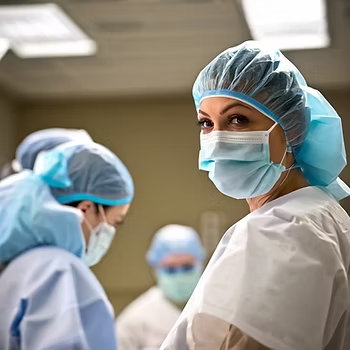
Operating room nurses, also known as perioperative nurses or surgical nurses, play a vital role in the healthcare system. These highly skilled professionals are responsible for patient care before, during, and after surgical procedures. Their expertise ensures that surgeries run smoothly and safely, making them indispensable in medical settings. This article delves into the detailed job description of an operating room nurse, highlighting their responsibilities, required skills, work environment, and more.
Operating room nurses are involved in patient care right from the beginning. They assess patients’ medical histories and alleviate any concerns they may have about the upcoming procedure. This initial interaction is crucial for building trust and ensuring that patients are mentally prepared for surgery.
One of their key tasks is preparing the operating room. This involves sterilizing instruments and equipment, ensuring that all necessary supplies are available, and setting up the operating table. By meticulously organizing the operating room, they help create a sterile and efficient environment for the surgery.
During the surgery, operating room nurses assist the surgeon by passing instruments and monitoring the patient’s vital signs. They play a crucial role in maintaining a sterile environment by following strict aseptic techniques. Their quick thinking and precise actions are essential for preventing infections and ensuring patient safety.
Another critical responsibility is keeping a detailed account of the procedure. This includes noting any complications, medications administered, and the overall progress of the surgery. Accurate documentation is vital for post-operative care and any future reference.
After the surgery, the focus shifts to patient recovery. Operating room nurses monitor patients as they wake up from anesthesia, checking vital signs and looking for any signs of complications. They also provide detailed post-surgery care instructions to patients and their families, ensuring a smooth recovery process.
Updating medical records is another crucial task. This involves recording all aspects of the surgery and recovery, ensuring that the patient’s file is comprehensive and up-to-date. Accurate records are essential for future medical care and legal documentation.
To become an operating room nurse, one must first obtain a Bachelor of Science in Nursing (BSN) degree. This foundational education covers various aspects of nursing, including anatomy, physiology, and patient care.
After earning a BSN, aspiring nurses must pass the National Council Licensure Examination (NCLEX-RN) to become a Registered Nurse (RN). This exam tests the knowledge and skills necessary to perform safely and effectively as an entry-level nurse.
Many operating room nurses pursue additional certification to demonstrate their expertise in perioperative nursing. The Certified Nurse Operating Room (CNOR) credential is a respected certification that validates a nurse’s knowledge and skills in this specialty. To obtain CNOR certification, nurses must have a combination of experience and continuing education in perioperative nursing.
Operating room nurses must possess a deep understanding of surgical procedures and sterile techniques. This knowledge allows them to assist effectively in the operating room and ensure patient safety.
Strong organizational skills are essential for managing the operating room environment and coordinating with the surgical team. Excellent communication skills are also crucial, as nurses must interact with patients, families, and other healthcare professionals.
The ability to work under pressure is a critical skill for operating room nurses. Surgeries can be unpredictable, and nurses must remain calm and make quick decisions in high-stress situations.
A typical day for an operating room nurse starts with preparing the operating room and reviewing the schedule of surgeries. They check the equipment, ensure that all necessary supplies are available, and confirm patient information.
Throughout the day, they assist in multiple surgeries, performing tasks such as passing instruments to the surgeon, monitoring patient vitals, and maintaining a sterile environment. Between surgeries, they clean and sterilize the operating room, ensuring it is ready for the next procedure.
Operating room nurses work closely with surgeons, anesthesiologists, and other members of the surgical team. Effective communication and teamwork are essential for ensuring that surgeries run smoothly and that any issues are promptly addressed.
Although operating room nurses typically do not form long-term relationships with patients, their interactions are crucial. They provide reassurance and information before surgery, monitor patients during the procedure, and ensure a smooth transition to the recovery room.
Operating room nurses are responsible for handling and maintaining surgical instruments and equipment. They must be proficient in using various medical devices and ensure that everything is functioning correctly before and during surgery.
Operating room nurses work in various healthcare settings, including hospitals, outpatient surgical centers, and specialized clinics. Each environment has its unique challenges and requirements, but the core responsibilities remain the same.
The work hours for operating room nurses can vary significantly. They often work long shifts, including nights, weekends, and holidays, to accommodate surgical schedules. Emergency surgeries may also require nurses to be on call and available at short notice.
The work of an operating room nurse can be highly stressful due to the critical nature of surgeries and the need for constant vigilance. However, many nurses find the role incredibly rewarding. The opportunity to make a significant impact on patients’ lives and contribute to successful surgical outcomes provides a profound sense of satisfaction.
Newly graduated nurses typically start in entry-level positions in various nursing specialties before moving into perioperative nursing. Gaining experience in different areas of nursing helps build a solid foundation of skills and knowledge.
Operating room nurses can specialize further by pursuing advanced certifications or degrees. Specializations such as cardiovascular surgery, neurosurgery, or pediatric surgery require additional training and expertise.
Continuing education is essential for staying updated with the latest surgical techniques and technologies. Many nurses pursue advanced degrees, such as a Master of Science in Nursing (MSN), to enhance their career prospects.
Experienced operating room nurses may advance to supervisory or managerial roles. These positions involve overseeing nursing staff, coordinating surgical schedules, and ensuring compliance with healthcare regulations. Leadership skills and extensive clinical experience are crucial for these roles.
Operating room nurses face several challenges, including high-stress situations and long hours. The fast-paced environment requires quick decision-making and the ability to remain calm under pressure.
Despite the challenges, the rewards of being an operating room nurse are significant. The role offers the opportunity to make a tangible difference in patients’ lives, contributing to successful surgeries and positive outcomes. The professional satisfaction and sense of accomplishment make the job highly fulfilling.
An operating room nurse cares for patients before, during, and after surgery. They prepare the operating room, assist the surgical team during the procedure, and monitor patients’ recovery.
Essential skills for an operating room nurse include knowledge of surgical procedures and sterile techniques, strong organizational and communication skills, and the ability to work under pressure.
To become an operating room nurse, one must obtain a Bachelor of Science in Nursing (BSN) degree, pass the NCLEX-RN exam to become a registered nurse, and pursue additional certification, such as the Certified Nurse Operating Room (CNOR) credential.
Operating room nurses are critical members of the healthcare team, ensuring that surgical procedures are conducted safely and efficiently. Their expertise and dedication contribute to positive patient outcomes and the overall success of the surgical team. For those interested in a challenging yet rewarding career in nursing, becoming an operating room nurse offers a unique and fulfilling opportunity.